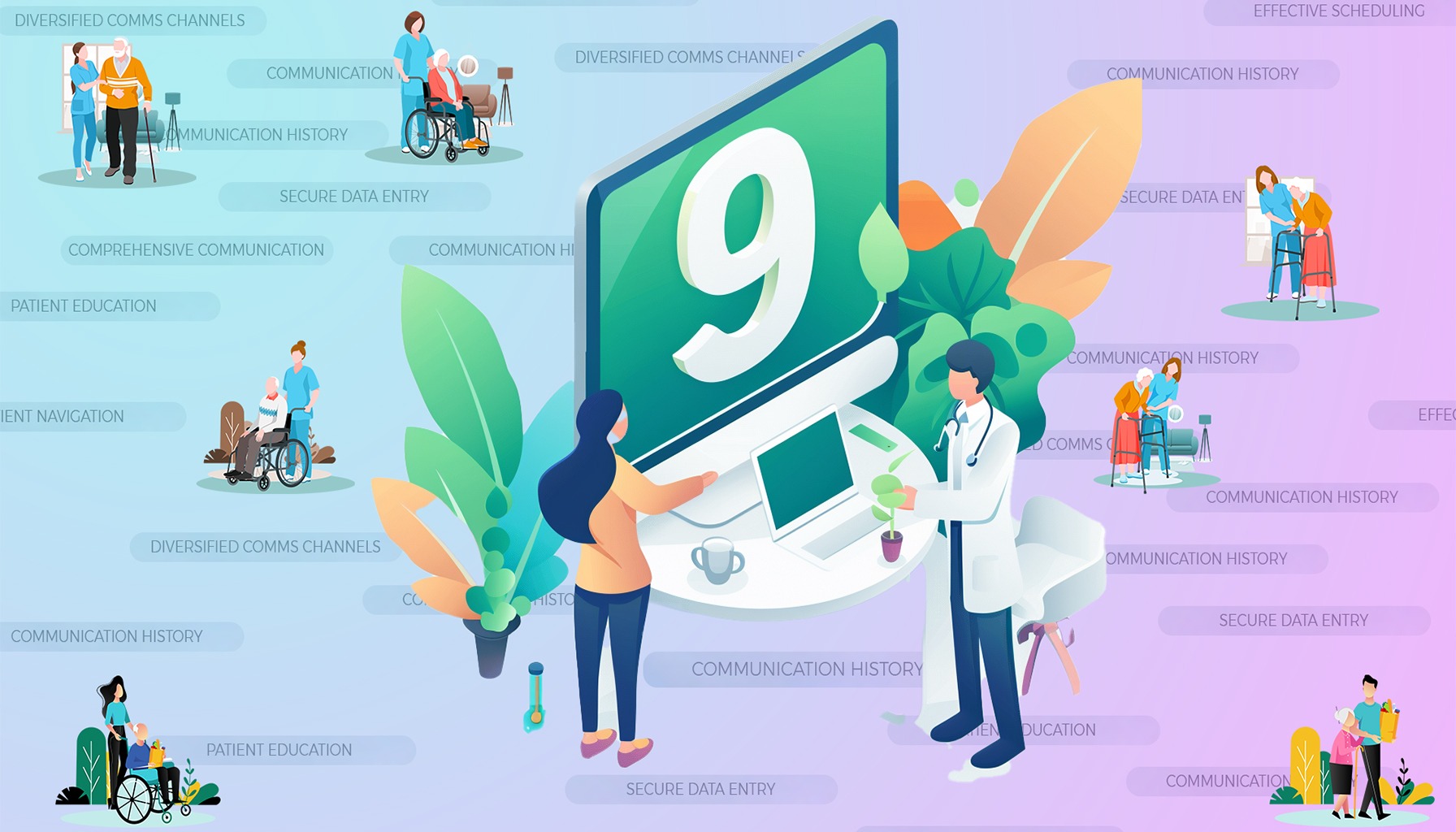
Patients judge their care partly by how long they wait for an answer. Real-time communication shortens that wait: faster replies, clear updates, video when a visit is not possible, all kept private.
Understanding real-time communication and patient satisfaction
According to Gallup, fewer than half of Americans are satisfied with the overall quality of US healthcare, the first time in two decades. 31% call it “only fair” and a record 21% call it “poor.” The reasons vary, and communication is one an organization can change. This guide covers how.
What is patient satisfaction?
Patient satisfaction measures how well a patient’s expectations are met: the quality of care, the efficiency of service, and how supported they feel in every interaction. Organizations that pay attention to it tend to keep patients longer and earn more trust.
It covers the whole journey, from scheduling to follow-up, not only the clinical outcome. Real-time communication is what lets patients feel heard and informed along the way.
How can real-time communication improve patient satisfaction?
Proactive communication keeps patients engaged and gives them what they need to understand a diagnosis and the next step. Good communication in healthcare settings also brings:
- Easier scheduling and follow-up.
- Communication shaped to each patient’s needs.
- Feedback and care in real time.
- Stronger patient engagement.
- Simpler administrative processes.
- A place to collect feedback and find what to improve.
9 tips to boost patient satisfaction with effective communication
Secure instant messaging, video calls and patient portals allow faster responses and better care coordination. These tips put them to work.
1. Develop a comprehensive patient communication plan
Start with a well-structured communication strategy that covers every step, from first contact to post-treatment follow-up.
- Personalized messaging fitted to each patient’s needs and preferences.
- Clear information about treatment plans, results and administrative tasks.
- Defined touchpoints at every critical stage of the journey.
- Proactive outreach. Anticipate questions and send updates and reminders before patients ask.
Build in a way to capture and review feedback at each touchpoint.
2. Improve patient navigation
The healthcare system is confusing, especially for patients with complex needs.
- Clear directions: step-by-step information on locations, procedure preparation and insurance.
- Patient navigators, in person or automated, who answer questions quickly.
- Real-time support by chat or phone as patients move through appointments, tests and procedures.
3. Diversify communication channels
Some patients prefer the phone; others prefer text. Offering several channels, such as video visits, text messaging, patient portals and newsletters, improves access and keeps any patient from being left out.
4. Implement a secure data entry system
Every channel has to be secure and HIPAA compliant. Protecting patient data builds trust and keeps the organization clear of costly legal consequences. Real-time updates mean providers work from current information, and portals that let patients see their own records add transparency and reduce errors.
5. Offer easy appointment scheduling
Complicated scheduling frustrates patients and leads to missed visits. Let patients see availability and book or reschedule on their own time. Add confirmations and reminders, and fewer appointments are likely to be missed.
6. Support patient engagement with personalized programs
Personal reminders and care plans that adjust as things change make patients feel connected to their care. Patients notice when they are treated as individuals.
7. Enhance patient care with education
Education supports informed decisions. Share videos, articles or interactive content tied to a diagnosis or treatment, and use a video visit or secure message to answer questions without a trip to the office.
8. Maintain patient communication logs
Detailed logs keep information from getting lost and keep care consistent.
- Document every interaction: calls, emails and video consultations, so the whole team is on the same page.
- Share logs across departments so every provider sees the same history.
- Review logs regularly to spot patterns and improve service.
9. Gather patient feedback
Ask patients about their care after each visit. A short survey sent right after an appointment captures the experience while it is fresh. The answers show which parts of your communication work and which need attention.
Where Buzz fits
Buzz is a HIPAA-secure communication platform that puts care teams, patients and families in one place instead of several tools. BuzzChat handles secure messaging, images and reports. BuzzPhone gives staff a Buzz number for patient calls. BuzzVideo covers video visits, and BuzzLink lets patients and families join with nothing to install. BuzzScheduler handles scheduling. The Buzz FAQ answers the common questions.