If you’re like me, during the pandemic every phone notification was jolting, like flashing blue lights appearing in the rearview mirror. I dreaded each ping because it was a stark reminder of the uneasiness the invisible virus created, or worse, it might signal COVID-19 exposure.
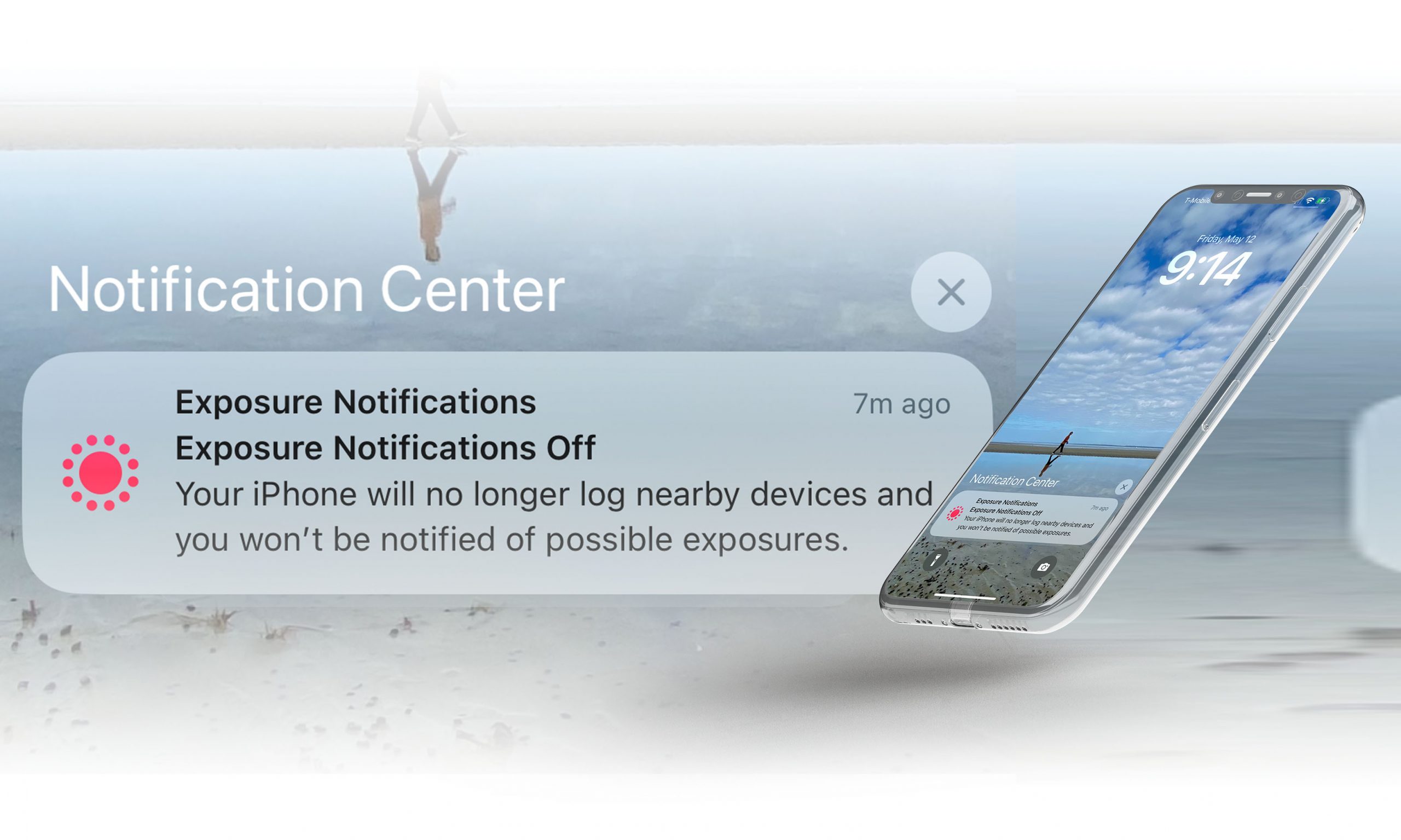
Earlier today, my iPhone dinged with this notification. This time, however, it heralded great news related to these COVID-19 warnings.
Rejoice? Unfortunately, Not So Fast!
As we collectively breathe a sigh of relief at the close of the COVID-19 Public Health Emergency (PHE), we recognize that it’s more than just the end of a global crisis. It’s the beginning of a new phase, a return to some semblance of normalcy after years of turbulence and uncertainty.
However, this transition raises several questions, particularly for home health agencies and providers. During the pandemic, privacy rules and HIPAA security compliance rules were significantly relaxed. The end of the PHE means a return to stringent adherence and enforcement for violations.
Specifically, the Department of Health and Human Services (HHS) adopted lenient HIPAA rules that allowed healthcare providers to use various telehealth technologies to care for their patients remotely, keeping them safe and minimizing the risk of virus transmission. These amendments were outlined on the HHS telehealth policy website. But, as reported by Foley, on May 11, 2023, the official end of the PHE, HIPAA rules return to their pre-pandemic rigidity, meaning providers and home health agencies are again responsible for HIPAA compliance and for protecting the privacy and security of their patients’ PHI. This behooves all providers and agencies to reassess the telehealth technologies they used during the PHE and confirm they meet the restored security standards for protected health information (PHI).
The return to normalcy need not be a cause for alarm. With the right tools and resources, providers and organizations can meet the challenge of the changing regulatory landscape head-on. Solutions designed for these specific needs can ease the transition, so providers can continue to offer quality care while adhering to the necessary regulations.
Some Hope on the Horizon
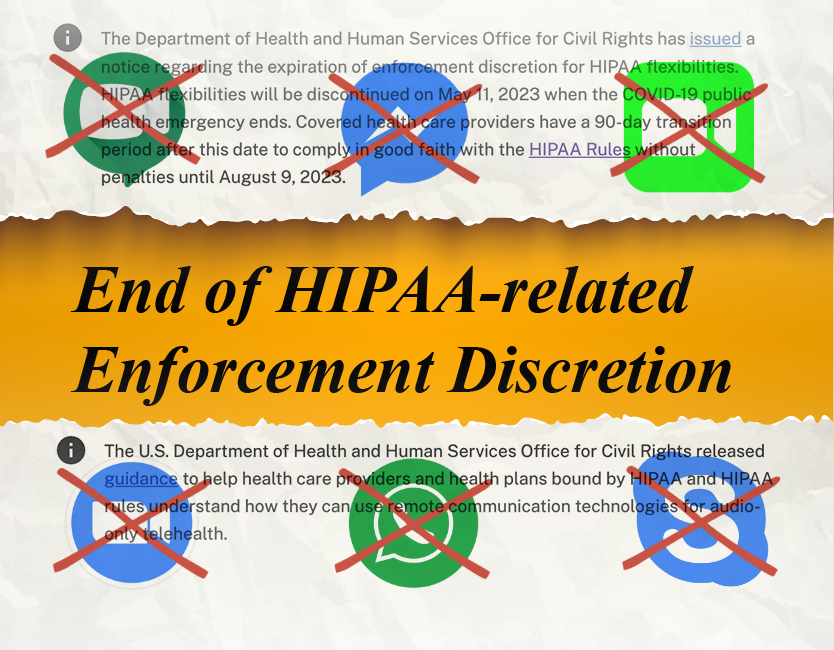
Rightfully, stakeholders are concerned: addressing all the compliance requirements is bound to be painful. Many of the popular platforms are now non-compliant.
Fortunately, this is where Skyscape comes into play. Skyscape’s comprehensive platform, Buzz, provides an all-in-one solution to navigate this transition smoothly. We designed the platform to manage and secure patient data in line with HIPAA regulations. Its features address the issues at hand, providing a secure, reliable, and efficient way for providers to handle patient information, schedule appointments, and manage care while adhering to the necessary privacy and security rules.
In a world still grappling with the aftermath of a pandemic, Skyscape’s Buzz platform offers home health agencies and providers the opportunity to continue their essential work without the fear of violating privacy and security regulations. It bridges the gap between the need for continued telehealth services and stringent security measures, so the quality of care remains uncompromised as we navigate this new dawn.
As we celebrate the end of the PHE and the return to normalcy, it’s essential to recognize and address the challenges that lie ahead. With Skyscape, these challenges can be seen not as hindrances but as opportunities for growth, innovation, and the continued provision of high-quality care. To see the platform’s secure collaboration capabilities for yourself, book a demo.
Reference: Telehealth, Communication, and Collaboration in a Post-Public Health Emergency World
Healthcare providers and patients have come to rely on the PHE flexibility with telehealth and healthcare, so what does the end of the PHE mean?
During the PHE, providers were allowed to use telehealth in good faith even if their platforms or software did not follow Health Insurance Portability and Accountability Act (HIPAA) rules. That ends on May 11, and the OCR will resume enforcement of penalties on providers for noncompliance with HIPAA rules for technology use. Ahead of the end of the PHE, OCR has clarified how, and under which circumstances, the HIPAA rules apply to telehealth (resource 2 below).
With the PHE over, healthcare providers need to confirm that the technology and software they use is HIPAA compliant. Patients may find they need an in-person visit for specific checkups, or a new telehealth platform.
Buzz® is a unified communication and collaboration platform designed for healthcare that helps healthcare teams streamline continuous case management in a HIPAA-secure environment. Buzz combines document sharing and e-signatures, Skyscape’s trusted 400+ volume clinical library, BuzzLightning with ChatGPT, and communication channels including texts, dictation, private calls, audio, images, reports, files, and video sharing.
Resources